The Phone That Will Not Ring Again: Remembering Jagannath Prasad Das my senior, my mentor, my reader
Some deaths arrive as news. This one arrived as silence, in the exact place where a voice used to live.
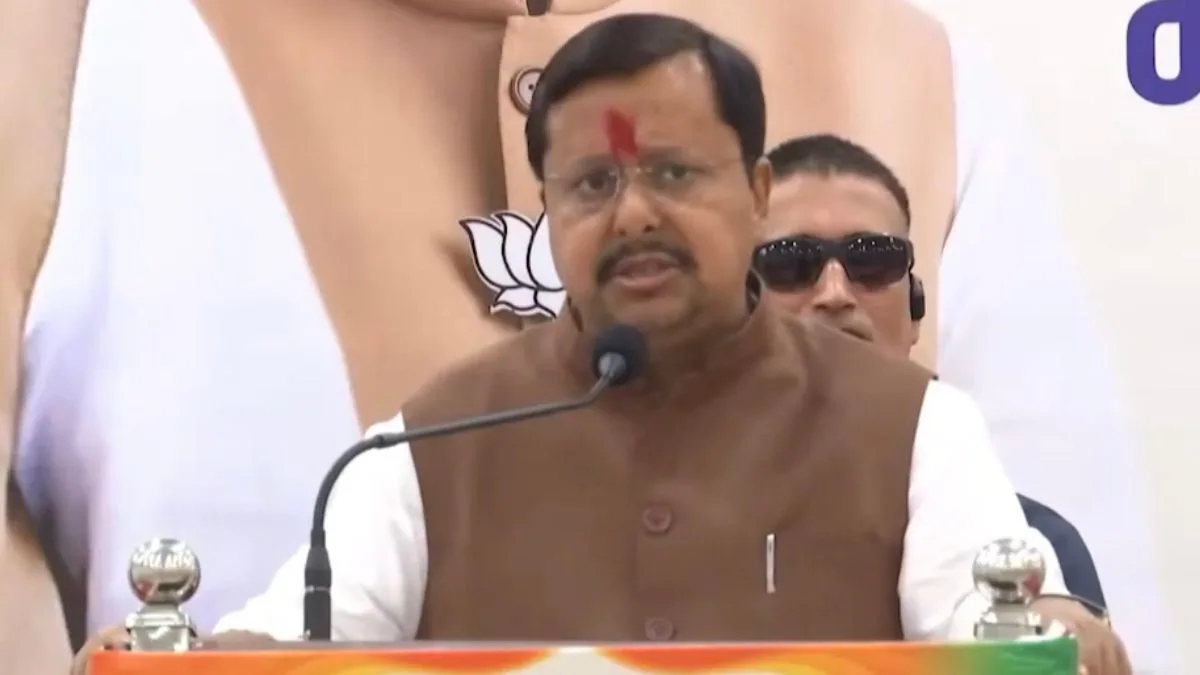
Pant, speaking at a National Seminar on “Fifty Years of Crocodile Conservation: Learning and way ahead,” stated that continuous awareness, habitat protection and scientific research are very important to ensure the sustainable conservation of crocodiles.





Photo: SNS
Though Odisha has successfully managed to recover three crocodilian species from the verge of extinction, the habitat loss, reduction in nesting grounds, dams and sand mining have posed challenges in the field of human-crocodile conflict, Principal Chief Conservator of Forests and Chief of Forest Force Suresh Pant said on Wednesday.
Pant, speaking at a National Seminar on “Fifty Years of Crocodile Conservation: Learning and way ahead,” stated that continuous awareness, habitat protection and scientific research are very important to ensure the sustainable conservation of crocodiles.
Advertisement
Odisha is the only state in India where three crocodile species – Dangmal in Bhitarkanika for the saltwater crocodile (Baula), Ramatirth in Similipal for the Mugger and Satkoshia in Tikarpada for the Ghadial – are located. Odisha has also produced India’s first PhD in the field of crocodile research, which is a matter of pride and honour for the state.
Advertisement
Odisha’s leadership in crocodile conservation science is recognized today. Odisha’s contribution towards crocodile conservation in the last five decades has proven to be groundbreaking,
The National Seminar was organized in Bhubaneswar on Wednesday in collaboration with the State Wildlife Headquarters, Forest, Environment and Climate Change Department.
Inaugurating the Seminar, Padmashri Professor Priyambda Mohanty Hejmadi, Former Vice Chancellor of Sambalpur University, said that when the Government of India launched the Crocodile Conservation Project on April 1, 1975, Odisha emerged as the first centre of scientific efforts in the field of crocodile conservation in the country. Just two months after the project was launched, i.e. in June 1975 the first gharial crocodile and saltwater crocodile hatchlings were hatched from the Tikarpada and Dangmal centres.
In the last 50 years, the state has saved three endemic species – the saltwater crocodile, the mugger and the gharial – from the brink of extinction. Study and research on wild crocodiles – both adults and young – is essential to observe their reproductive movements, courtship, nesting, pup behaviour, maternal protection and dispersal patterns. Genetic studies are also important for the long-term survival of crocodiles in the Mahanadi, said Prof Hejmadi.
The increase in the number of saltwater crocodiles in Bhitarkanika National Park from 96 to 1880 in five decades is a major achievement of crocodile conservation efforts in Odisha. Natural breeding in Satkosia Gorge has revived crocodiles, increasing their number to 16. More than 200 freshwater crocodiles have been recorded this year, indicating their recovery from habitat loss. Forest department initiatives such as compensation for crocodile victims and construction of safe bathing facilities are intended to reduce human-crocodile conflict, said Principal Chief Conservator of Forests and Chief of Forest Force Suresh Pant
Principal Chief Conservator of Forests (Wildlife) and Chief Wildlife Warden Prem Kumar Jha, speaking on the occasion said that the golden jubilee of crocodile conservation in Odisha is the most successful wildlife conservation story in India.
Advertisement